Scenic Stops on the London to Edinburgh Route
Travelling between London and Edinburgh offers an opportunity to experience some of the United Kingdom’s most varied landscapes and historic towns. The direct motorway route can be completed in a single day, yet breaking the journey allows for a deeper appreciation of the regions crossed. This guide outlines several picturesque stopovers along the way, with practical considerations for those planning an overnight stay or wishing to explore minor detours.
The route spans roughly 400 miles, passing through the rolling hills of the Midlands, the historic streets of Yorkshire, and the dramatic borders of Northumberland. Each stopover has its own character, from walled cities to coastal castles, and each can be tailored to different travel paces. The focus here is on providing information to help travellers plan a journey that prioritises scenery and heritage, without making specific promises about traffic or weather conditions.
Planning the Journey
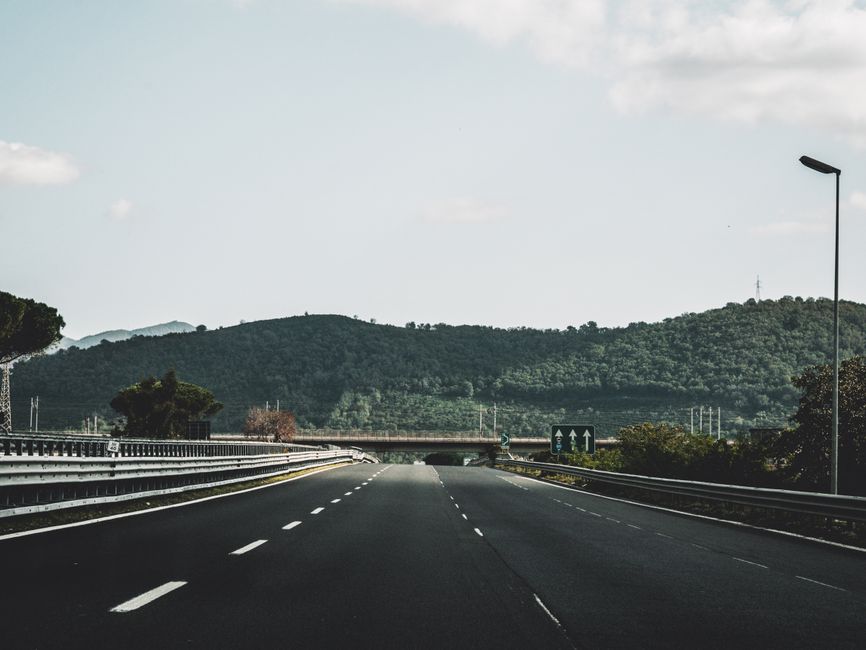
Before setting out, it is useful to consider the overall schedule. The direct drive takes approximately seven to eight hours under normal conditions, but sightseeing stops will extend that timeframe. For a relaxed trip, allocating two or three days allows for unhurried exploration. The route is well-served by major roads, with the A1 offering a straightforward path, while the M1 and A1(M) provide alternatives. Those interested in a more scenic drive might prefer to incorporate sections of the B-roads, particularly through the Yorkshire Dales or Northumberland National Park, although these will naturally add time.
Fuel and service stations are frequent along the main arteries, but some of the more rural detours have sparser facilities. It is advisable to check opening hours for attractions and accommodations in advance, as many smaller venues have seasonal schedules. The weather can also influence road conditions, especially in winter, so it is prudent to consult forecasts and plan flexible itineraries.
The Historic City of York
York is arguably the most significant stop on the route, lying midway between the two capitals. Its medieval walls, narrow streets, and the iconic York Minster make it a destination in its own right. The city’s compact centre is best explored on foot, and visitors can follow the city walls for a complete circuit that takes in several vantage points. The Shambles, a narrow street of overhanging timber-framed buildings, offers a glimpse into the city’s past, while the National Railway Museum provides a contrast with its collection of locomotives.
For those planning an overnight stay, York offers a wide range of accommodations, from historic inns to modern hotels. The city is well-connected by rail, so some travellers choose to leave their vehicle on the outskirts and use park-and-ride services to avoid the narrow city centre streets. An evening in York could include a walk along the River Ouse or a visit to one of the many traditional pubs. Whether the stop is for a few hours or a full day, York provides a balance of history, culture, and amenities.
The Border Fortress of Alnwick
Continuing north, Alnwick is another notable stop, especially for those interested in castles and gardens. Alnwick Castle, which has served as a filming location for various productions, sits prominently in the town and offers tours of its state rooms and grounds. Adjacent to the castle, the Alnwick Garden is a modern creation with elaborate water features and a treehouse restaurant. These attractions make Alnwick a suitable location for a break, whether for a few hours or an overnight stop.
The town itself retains a market-town atmosphere, with independent shops and cafés lining its main streets. The surrounding countryside, including the Northumberland Coast Area of Outstanding Natural Beauty, is easily accessible for those wishing to take a longer detour. Accommodations range from bed-and-breakfasts to country hotels, and the town’s location makes it a practical base for exploring the wider region.
Other Notable Stopovers
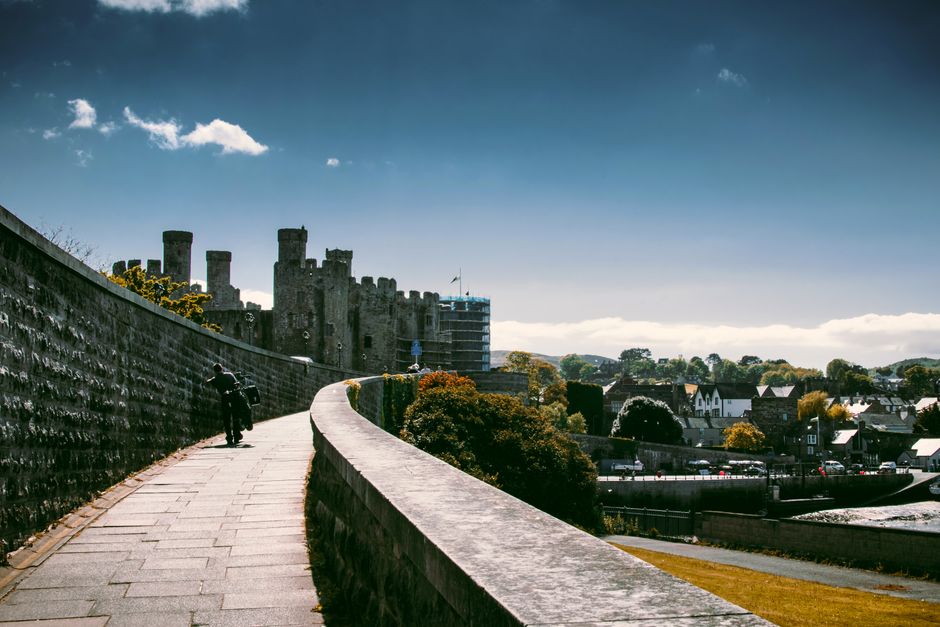
While York and Alnwick are highlights, several other places can enrich the journey without requiring significant time. The cathedral city of Durham, with its Norman castle and dramatic position on the River Wear, lies just off the main route and offers a compact area for a stroll. Further north, the town of Berwick-upon-Tweed, with its Elizabethan walls and coastal setting, provides a final glimpse of England before crossing into Scotland. Additionally, the village of Bamburgh, dominated by its castle on a rocky outcrop, is a frequent detour for those heading to the coast.
For those wishing to experience the landscapes between these towns, the Northumberland National Park and the Scottish Borders offer numerous walking routes and viewpoints. The choice of stopovers will depend on individual interests, available time, and the pace of travel. Each of these locations offers unique perspectives on the region’s history and natural beauty, and they can be combined in various ways to create a personalised itinerary.
Tips for Overnight Stays
Deciding where to stay can influence the overall experience. York and Alnwick both offer a wide range of options, but booking in advance is often advisable, particularly during school holidays and festival periods. For a quieter overnight stop, consider staying at a guesthouse in a nearby village, which may offer a more local experience. When booking, it is helpful to consider the distance between the accommodation and the main attractions, as well as parking availability.
Evening activities can enhance an overnight stay. In York, a ghost tour or a riverside dinner are popular choices, while Alnwick’s treehouse restaurant provides a unique dining setting. For those who prefer a more relaxed evening, many pubs offer locally sourced menus and real ales. It is also worth noting that some accommodations may offer evening meals, so checking in advance is suggested.
Possible Detours
The route from London to Edinburgh is punctuated by numerous opportunities to deviate from the main roads. For example, a detour into the Yorkshire Dales from the A1 might take an additional hour but rewards with limestone scenery and quaint villages. Similarly, the Northumberland coast is just a few miles east of the main route, offering sandy beaches and historic sites such as Lindisfarne, which is accessible at low tide via a causeway. These detours can be tailored to the time available and the interests of the traveller.
Another possible diversion is to the market town of Hexham, which lies near Hadrian’s Wall and offers a glimpse into Roman heritage. For those with an interest in literature, the Brontë Parsonage in Haworth is further afield but can be combined with a longer stay. Each detour adds depth to the journey, and the choice will depend on individual preferences and time constraints.
Practical Considerations
Travelling between London and Edinburgh involves crossing several regions with varying speed limits and road conditions. It is important to plan for breaks, as driving for long periods without rest can affect concentration. Many service areas are conveniently located along the motorways, and some offer pleasant views of the surrounding countryside. While the route is generally straightforward, it is advisable to have a backup plan in case of road closures or adverse weather.
For international visitors, it is also useful to note that traffic drives on the left, and speed limits are in miles per hour. Toll roads are rare on this route, but some bridges may have charges. As with any trip, ensuring the vehicle is in good condition and carrying a map or GPS can help avoid unnecessary delays.
“The journey becomes as memorable as the destination when you take the time to explore the places in between.”
Ultimately, the route from London to Edinburgh offers numerous opportunities to experience the scenic and historic richness of the UK. By considering stopovers like York and Alnwick, and being open to detours, travellers can create a journey that is both informative and enjoyable. The key is to allow flexibility and to appreciate the varied landscapes and communities along the way.