Legendary Castles You Must Visit in Wales
Wales is home to more castles per square mile than any other country in Europe, a testament to its turbulent history and strategic importance. Among these fortifications, Conwy, Caernarfon, and Cardiff Castle stand out not only for their architectural grandeur but also for their deep historical roots. This article explores the history, design, and visitor experience of these three legendary sites, offering insights for those planning a journey through Welsh heritage.
Each castle tells a story of conquest, defense, and royal ambition, shaped by the landscapes they occupy. From the towering walls of Conwy to the majestic polygonal towers of Caernarfon and the eclectic interiors of Cardiff, these fortresses provide a window into different eras of Welsh history. Whether you are a history enthusiast, an architecture admirer, or an intrepid traveler, understanding what these castles offer can enrich your visit. Below, we delve into their origins, architectural highlights, and practical information to help you make the most of your exploration.
Conwy Castle: A Medieval Masterpiece of Military Architecture
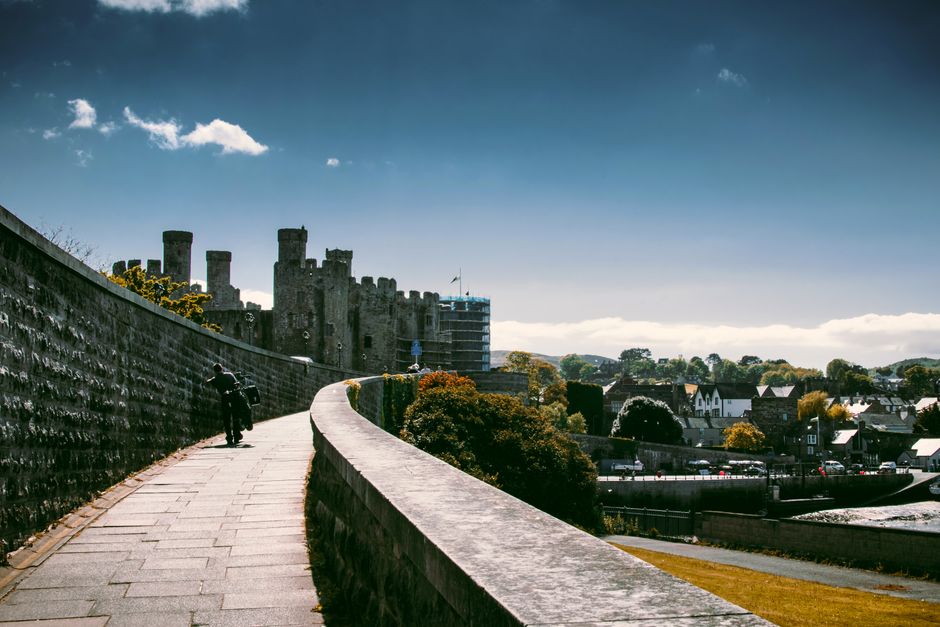
Conwy Castle, built by Edward I between 1283 and 1289, is a masterpiece of medieval military engineering. Its location on the northern coast of Wales, overlooking the Conwy River, was chosen for its defensive advantages. The castle was designed by Master James of St. George, a renowned architect of the time, and it remains one of the best-preserved examples of Edwardian castle construction in the world. The structure is characterized by eight massive towers, two barbicans, and a formidable curtain wall that extends to the town, integrating the fortress with the surrounding settlement.
The layout of Conwy Castle was strategically planned to withstand sieges and deter attackers. The inner ward, with its great hall and royal apartments, was separated from the outer ward by a deep ditch and a fortified gatehouse. The castle’s walls were unusually thick, and its crenellations provided vantage points for archers. Visitors today can walk along the wall walk, climb the towers, and enjoy panoramic views of the Snowdonia mountains and the estuary. The castle’s history is also notable: it was a stronghold for English kings and a symbol of English dominance, but it also witnessed Welsh uprisings and later served as a royal residence.
For practical purposes, Conwy Castle is managed by Cadw, the Welsh government’s historic environment service. It is open year-round, with seasonal hours. The castle offers an audio guide that provides detailed historical context, and there is a visitor center with exhibits on the castle’s construction and role. Nearby, the town of Conwy boasts medieval walls and the smallest house in Britain, making it a worthwhile stop. Accessibility considerations include some steep stairs and uneven surfaces, so visitors with limited mobility should plan accordingly.
Caernarfon Castle: Symbol of English Power and Welsh Resistance
Caernarfon Castle is arguably the most iconic of all Welsh castles, famously the birthplace of the first English Prince of Wales and a symbol of English authority over Wales. Its construction began in 1283 under Edward I and continued for nearly 50 years, resulting in a sprawling fortress with distinctive polygonal towers, eagle-topped turrets, and walls inspired by the walls of Constantinople. The castle was designed to impress and intimidate, with its massive gatehouse and defensive features reflecting its dual purpose as a military stronghold and royal palace.
The architecture of Caernarfon Castle is unlike any other in Wales. The towers, such as the Eagle Tower and the Queen’s Gate, are not round but polygonal, giving the castle a unique silhouette. The walls are banded with different colored stone, adding to its visual impact. The castle was also part of a larger fortified town, with a continuous circuit of walls that enclosed the settlement. In 1294, it withstood a Welsh siege, and later, during the Glyndŵr Rising, it was a target for rebel forces. Over the centuries, it has been used as a garrison, a prison, and a royal residence, and in 1969 it was the site of the investiture of Charles, Prince of Wales.
Today, Caernarfon Castle is a UNESCO World Heritage Site, part of the Castles and Town Walls of King Edward in Gwynedd. It is open to the public, and visitors can explore the royal apartments, the museum of the Royal Welch Fusiliers, and the spiral staircases that ascend to the wall walks. The castle hosts re-enactments and events throughout the year, and there is an exhibition on the building’s history and its role in Welsh identity. The surrounding town offers a variety of shops and cafes, and the castle’s proximity to the Menai Strait and Snowdonia makes it a convenient base for further exploration. Access to some areas may be challenging for those with mobility issues due to steep stairs.
Cardiff Castle: A Living Mosaic of Two Thousand Years of History
In the heart of the Welsh capital, Cardiff Castle presents a unique blend of architectural styles and historical layers. The site has been occupied for nearly two millennia, with evidence of a Roman fort, a Norman motte-and-bailey castle, and later Victorian Gothic extravagance. The Norman keep, built in the 11th century, stands on a high motte, offering a commanding view of the city. In the 19th century, the 3rd Marquess of Bute, one of the wealthiest men in the world, transformed the medieval castle into a luxurious residence, commissioning the architect William Burges to create opulent interiors that are now a major attraction.
The Victorian interiors of Cardiff Castle are a testament to the eclectic tastes of the era, with rooms decorated in rich colors, intricate woodwork, and murals depicting classical and medieval scenes. The Arab Room, with its gilded ceiling and Moorish arches, and the Banqueting Hall, with its minstrels’ gallery, are particularly stunning. The castle also retains its medieval elements, including the Norman keep and the 13th-century west wall, alongside the Roman remains, which are preserved in the Interpretation Centre. The Bute family’s influence extended beyond the castle, as they played a crucial role in the development of Cardiff as a major coal-exporting port, which is reflected in the castle’s exhibitions.
Visitors to Cardiff Castle can choose from a self-guided tour of the grounds and keep, or a guided tour of the aristocratic apartments, which provides deeper insights into the Bute family and Burges’s designs. The castle also serves as a venue for concerts, festivals, and educational programs. It is open daily, and tickets can be purchased on-site or online. The interpretation center, military museum, and café offer additional amenities. The castle’s central location makes it an ideal starting point for exploring the rest of Cardiff, and its history is intertwined with the city’s growth from a modest market town to the capital of Wales.
Practical Considerations for Exploring Welsh Castles
When planning a visit to these castles, consider the best times to go, accessibility, and ticketing. Conwy and Caernarfon are located in North Wales, about 75 minutes apart by car, while Cardiff is in the south, roughly a three-hour drive. Public transport options include trains and buses, with stations and stops close to each castle. It is advisable to check opening hours and any visitor restrictions before your trip, as these can vary seasonally. Booking tickets in advance can help avoid queues, especially during peak tourist season. Many castles offer combined tickets or membership passes with Cadw, which can be cost-effective if you plan to visit multiple sites.
For those with limited mobility, accessibility varies: Conwy and Caernarfon have steep steps and uneven surfaces, so some areas are not suitable for wheelchairs or those with difficulty climbing. Cardiff Castle has more accessible routes, including level access to the ground floor and apartments, though some sections are still challenging. It is recommended to contact each site directly for specific information. Additionally, consider the weather: Wales is known for its rain, so pack appropriate clothing. Guided tours are available at all three castles, providing historical context and anecdotes that can enhance your understanding. Self-guided audio guides are also offered at many properties, allowing you to explore at your own pace.
Finally, while each castle is a destination in itself, they also serve as gateways to their regions. Conwy offers a charming town with a rich history, Caernarfon provides access to the beauty of Snowdonia National Park, and Cardiff is a vibrant city with cultural attractions and a lively waterfront. By incorporating these castles into a broader itinerary, you can experience the full tapestry of Welsh heritage. Whether you are drawn by history, architecture, or simply the allure of legends, these fortresses promise a memorable journey.
Exploring the castles of Wales is not just a walk through stone corridors; it is an immersive experience of medieval life, royal power, and the enduring spirit of a nation.